AI Automation for Digital Agencies More Delivery. Less Busywork
Connect client delivery, reporting and internal operations with systems built around your agency. Our marketing, sales and operations specialists work with AI engineers to turn your service processes into connected, repeatable work.














Connect the process behind client delivery
AI implementation for the work your agency delivers
Different agency models need different rules, tools and review steps. Start with the service process that creates the most repeated work.
Social Media Agencies
Automate cross-platform content scheduling, streamline client approval workflows, and generate insightful performance reports to prove value.
Learn MorePPC Agencies
Implement automated budget pacing alerts, run continuous QA checks on ad campaigns, and unify cross-platform reporting for a clear view of ROAS.
Learn MoreSEO Agencies
Systemize technical SEO audits, automate keyword rank tracking, monitor backlink profiles, and create comprehensive client-facing performance reports.
Learn MoreContent Marketing Agencies
Automate content calendar management, streamline writer and designer coordination, and track content performance to refine your strategy.
Learn MoreWeb Dev Agencies
Standardize your development lifecycle by automating project setup, QA testing workflows, bug tracking, and seamless client handovers after launch.
Learn MoreMore clients should not mean more manual coordination
Client information, campaign data and delivery tasks are spread across tools. Your specialists spend time collecting context that should already be available.
Reporting assembled by hand
Account managers collect exports, explain discrepancies and rebuild reports for every client.
Onboarding that stalls delivery
Missing access, incomplete briefs and unclear handovers delay the first useful piece of work.
Client context spread across tools
Teams reconstruct decisions from messages, call notes, CRM fields and project boards.
Internal processes that do not scale
Sales handovers, resource planning and recurring tasks depend on people remembering the next step.
Connect your agency before adding another tool
Three useful starting points for internal operations. Client-facing builds are scoped separately around each client's systems and responsibilities.
Collect approved platform data, check missing fields and prepare a branded summary. Account managers review the narrative and exceptions before it reaches the client.
Turn a signed engagement into access requests, a delivery brief, assigned tasks and a project record. Track missing items and route blockers to the right person.
Use meeting notes and project updates to prepare next actions, owners and status summaries. Keep approvals and important client commitments with your team.
AI agents for the work between the tools
Possible agent workflows, scoped around your service model and reviewed by the people accountable for delivery.
Content Writing Agents
Prepare research, briefs and drafts, then route approved content into your publishing workflow.
Learn moreSEO & GEO Agents
Prepare search research, content checks and improvement suggestions for your SEO team to assess.
Learn moreCampaign Automation
Connect campaign briefs, approved assets, distribution steps and reporting with assigned owners.
Learn moreSocial Media Agents
Draft captions, organize approved posts and collect engagement data for your social team.
Learn moreAnalytics & Reporting
Collect supported platform data, flag missing fields and draft reporting commentary with source context.
Learn moreContent Repurposing
Turn approved source material into draft social posts, articles or email sequences for review.
Learn moreFour layers behind a working agency AI system
We combine business process design with the engineering needed to run it reliably.
AI infrastructure
Connect approved client context, reporting sources and tools. Define permissions, model access and separation between client workspaces.
AI agents & automations
Combine AI research, extraction and drafting with repeatable routing, publishing and reporting rules.
People & processes
Your account managers, strategists and delivery leads define quality, ownership and approvals with our business specialists.
Software stack optimization
Use existing subscriptions more effectively and compare overlapping tools with the cost of a connected workflow.
AI Automation Success Stories
Explore how we've architected custom AI automations and Agentic systems that deliver immediate ROI and scalable growth for our clients.
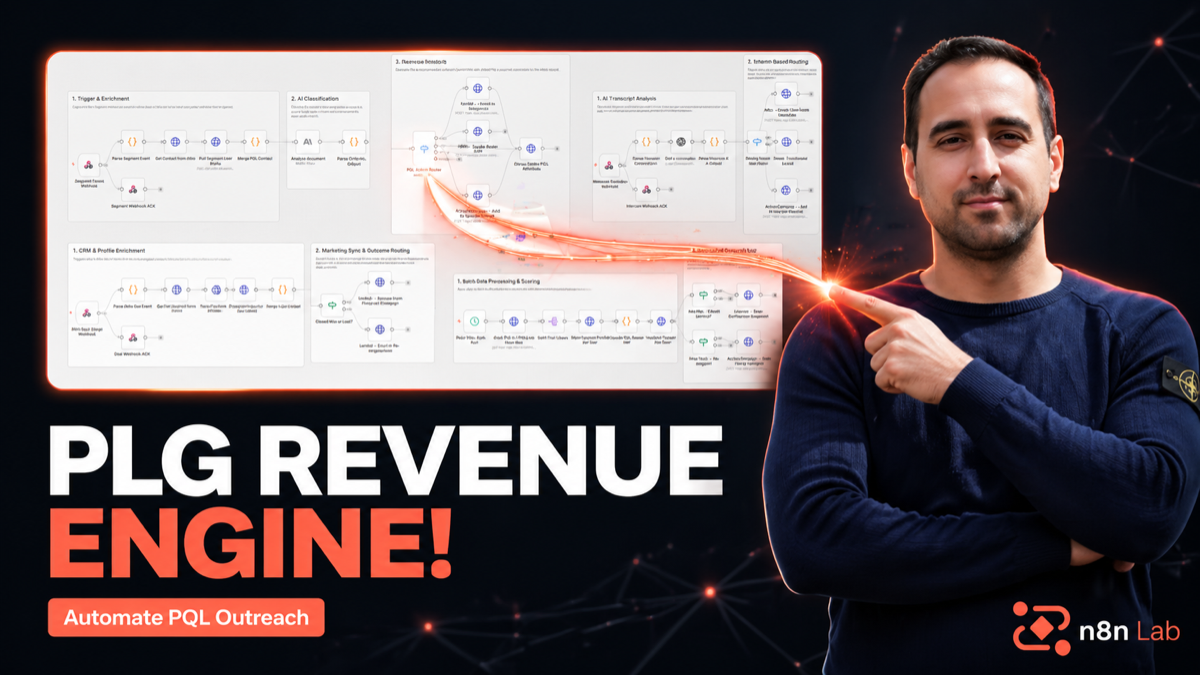
PLG Revenue Engine
Connecting Product Data to Revenue With AI Automation
Focus Physiotherapy
OpenClaw turned intake friction into a guided booking flow
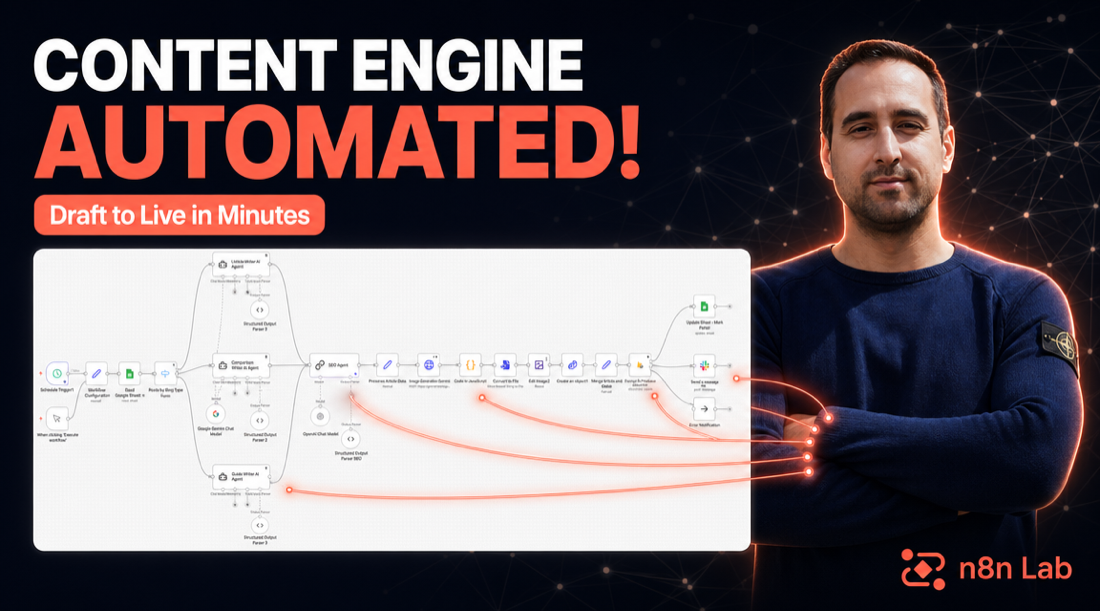
n8n Blog Production
Five-agent content engine for automated blog publishing
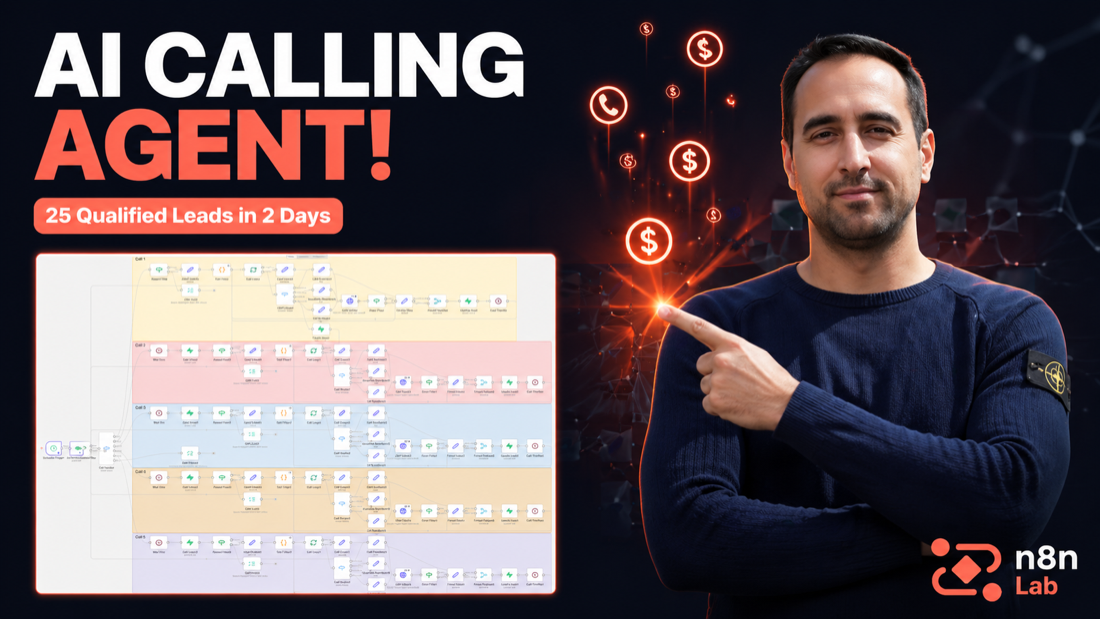
AI Voice Agents for B2B SaaS
Scaling Outbound Sales Process powered by n8n, Twilio, and Vapi
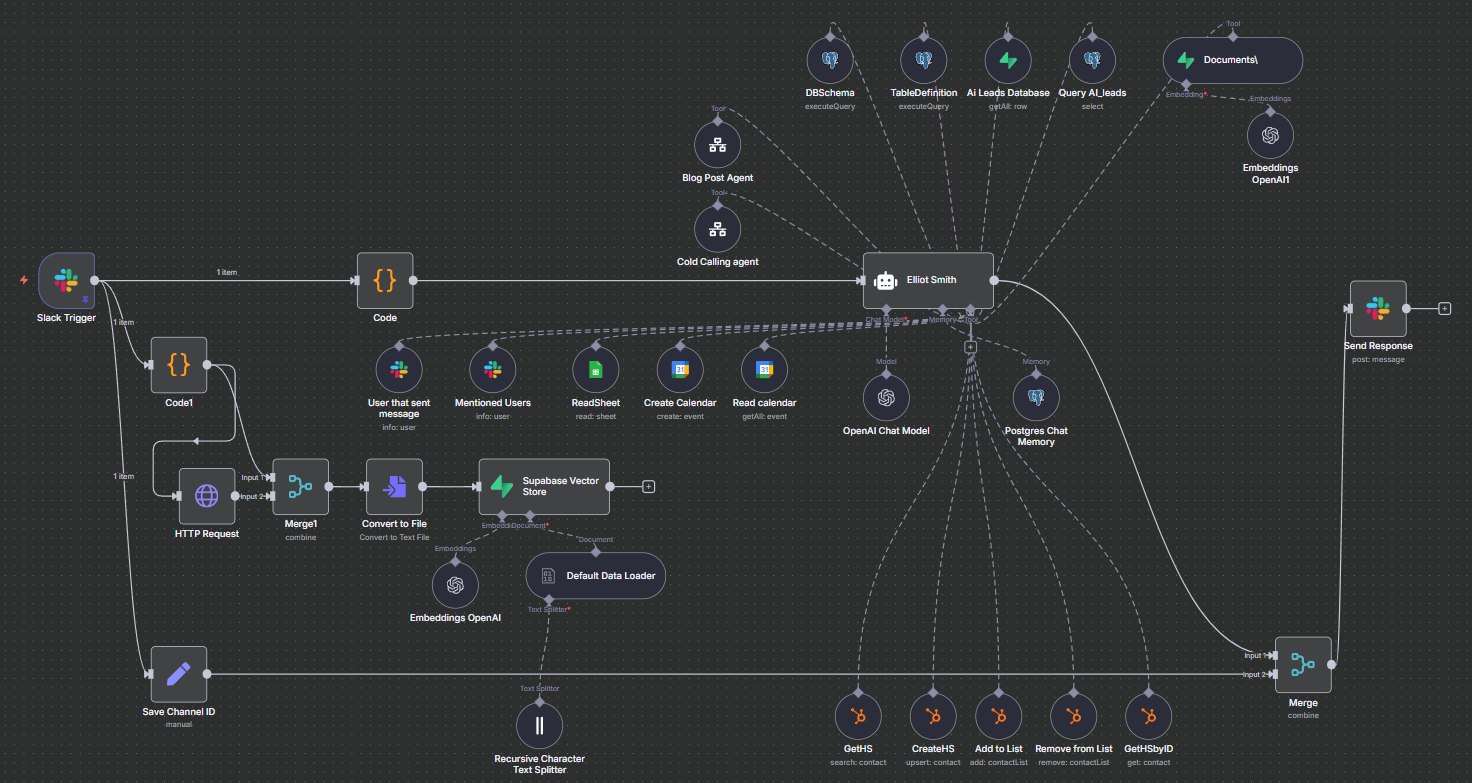
CRM Agent for Digital Agency
Discover How n8n Workflows Empower BDRs to Focus Just on Closing Deals
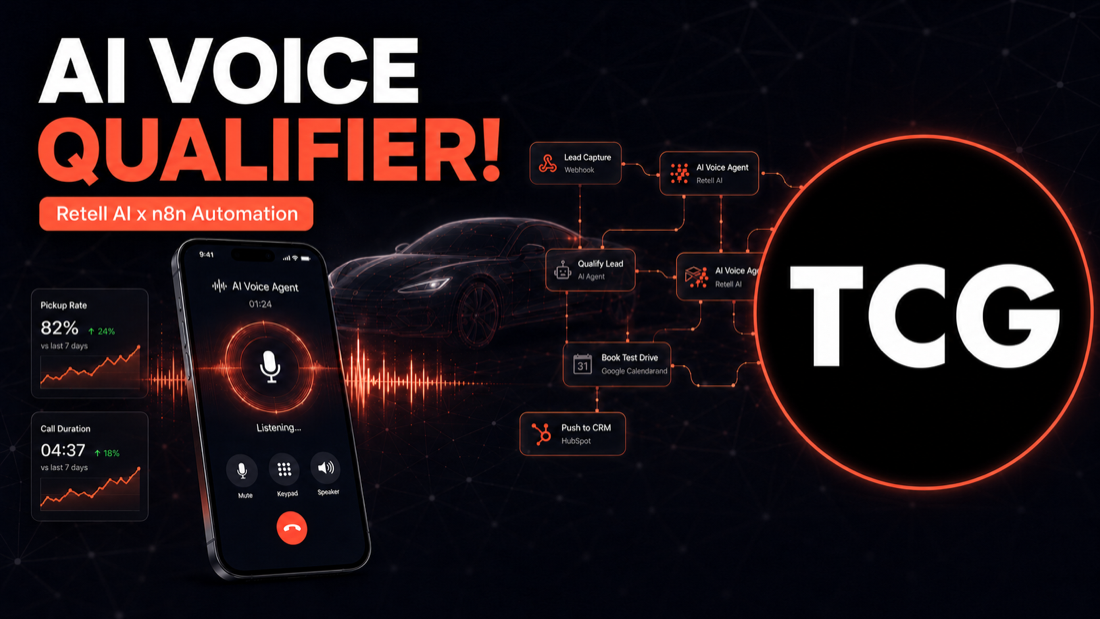
The Collecting Group
AI Voice Agent & Automation Strategy
From an agency bottleneck to a working system
Scope one useful process, prove the flow with your team and expand from real operational feedback.
Step 1: Understand the delivery model
Map your services, client lifecycle, manual handovers and current software with the people responsible for delivery.
Step 2: Design the process and architecture
Select a bounded use case. Define data sources, roles, approvals, expected output and the operating cost assumptions.
Step 3: Build agents and integrations
Connect your CRM, project tools, marketing platforms and AI models. Use n8n when it is the right orchestration layer.
Step 4: Validate client and team scenarios
Test data quality, permission boundaries, duplicate triggers, missing access, incorrect output and recovery paths.
Step 5: Introduce the system to the team
Document the workflow, train the owners and roll out with a small initial group or client scope.
Step 6: Measure and improve
Review manual effort, turnaround time, quality and running costs. Adapt the workflow as your services and client requirements change.
 n8n Lab
Start with the work you want to improve
Tell us about the process, the tools involved and where work gets stuck. We will help define a practical first step for AI implementation.




Our Team
Ready to help
AI automation for digital agencies: your questions
Choosing the first workflow, separating client work and making the operating model practical.
Latest from the Blog
AI automation and workflow guides for digital agencies.
n8n LabStart with the work you want to improve
Tell us about the process, the tools involved and where work gets stuck. We will help define a practical first step for AI implementation.
Our Team
Ready to help