
Hermes Agent
Self-improving AI implementation
Hermes Agent Implementation Agency: Build a Self-Improving AI That Learns Your Work
Without a memory policy, Hermes Agent becomes a fresh conversation every time. We shape memory so the agent keeps what matters and discards noise.
Production blueprint
Production blueprint
Where it runs
Memory-first foundation
Hermes Agent learns your projects and preferences instead of starting from zero on every session.
Skills system
We shape reusable skills and bundles so the agent gets more useful the more it works.
Hermes Agent
Approval gates, container isolation, credential filtering, and context scanning keep the agent inside policy.
Checkpoints and rollback
Snapshots before risky changes give you a safety net when file edits or workflows need to be reversed.
Weeks 3-5
Local, Docker, SSH, and more
What is Hermes Agent?
CLI, messaging, and workflows
We debated whether to make this public.
The implementation framework we use to deploy production Hermes Agents is too effective to share openly. It compresses what normally takes teams 6+ months into a repeatable system. We're offering it to a handful of teams who are serious about deploying Hermes Agent in production — not tire-kickers.
This is not for everyone. If you're just curious, skip this.















Can Hermes Agent improve over time?
Hermes Agent learns your projects and preferences instead of starting from zero on every session.
Hermes Agent is powerful enough to be useful and risky enough to deserve structure. We build with approvals, isolation, and fallback paths from day one.
Yes. Hermes Agent can run in local and containerized environments, then reach people through channels like Telegram, Discord, Slack, WhatsApp, Signal, and email depending on how we implement it.
Persistent memory
Hermes Agent keeps what it learns and uses memory to stay aligned with your projects, preferences, and working style.
Skills system
Reusable skills let the agent accumulate procedural knowledge and load the right workflow when the task requires it.
Hermes Agent is built to travel with the work, not stay trapped in one interface.
Can Hermes Agent improve over time?
We define what belongs in MEMORY.md, USER.md, session notes, and project conventions so the agent remembers the right things and stays focused.
Hermes Agent Development | Self-Improving AI Agent Services
Without a memory policy, Hermes Agent becomes a fresh conversation every time. We shape memory so the agent keeps what matters and discards noise.
Skills system
A pile of prompts is not a learning loop. We turn ad hoc instructions into reusable skills, bundles, and project conventions.
Does Hermes Agent remember things across sessions?
Production Hermes Agent needs permissioning, sandboxing, credential filtering, and clear rollback boundaries before it touches live work.
Hermes Agent is built to travel with the work, not stay trapped in one interface.
If the agent only lives in a terminal, adoption stays low. We extend Hermes Agent into messaging and workflow surfaces your team already uses.
Where Hermes Agent works
We install Hermes Agent locally, validate the environment, connect the first provider or gateway, and confirm a clean smoke test before anything else.
Where it runs 1
Foundation implementation
We install Hermes Agent locally, validate the environment, connect the first provider or gateway, and confirm a clean smoke test before anything else.
Hermes Agent
A working Hermes Agent base install with a verified configuration and first-use checklist.
Where it runs 2
Memory and context design
We define what belongs in MEMORY.md, USER.md, session notes, and project conventions so the agent remembers the right things and stays focused.
Hermes Agent
A practical memory policy with retention rules, naming conventions, and update workflow.
Where it runs 3
Security and checkpoint hardening
We configure approval boundaries, container settings, context-file scanning, credential handling, and rollback discipline before broad rollout.
Hermes Agent
A hardened operating profile with clear safety checks and recovery paths.
Where it runs 4
Skills and workflow integration
We curate useful skills, build repeatable bundles, and connect Hermes Agent to local n8n workflows, messaging channels, and the systems that drive work.
Hermes Agent
A live Hermes Agent workflow stack that can route work across tools and channels.
Where it runs 5
Rollout and optimization
We expand into additional profiles, channels, and automation loops, then tune the agent using production feedback instead of guesswork.
Hermes Agent
A monitored Hermes Agent deployment with iteration notes and ROI tracking.
Can Hermes Agent improve over time?
Production Hermes Agent needs permissioning, sandboxing, credential filtering, and clear rollback boundaries before it touches live work.
Local, Docker, SSH, and more
What is Hermes Agent?
- We harden the foundation before the agent gets broad access
- Forgetful agents that reset every session
- A hardened operating profile with clear safety checks and recovery paths.
Production blueprint
Without a memory policy, Hermes Agent becomes a fresh conversation every time. We shape memory so the agent keeps what matters and discards noise.
Runtime and deployment
What is Hermes Agent?
- We harden the foundation before the agent gets broad access
- Snapshots before risky changes give you a safety net when file edits or workflows need to be reversed.
- We shape reusable skills and bundles so the agent gets more useful the more it works.
Production blueprint
A live Hermes Agent workflow stack that can route work across tools and channels.
Research and briefing agent
What is Hermes Agent?
- A practical memory policy with retention rules, naming conventions, and update workflow.
- We harden the foundation before the agent gets broad access
- We harden the foundation before the agent gets broad access
Production blueprint
Hermes Agent is built to travel with the work, not stay trapped in one interface.
Operations coordinator
What is Hermes Agent?
- Research and briefing agent
- Research and briefing agent
- Checkpoints and rollback
Production blueprint
A monitored Hermes Agent deployment with iteration notes and ROI tracking.
Where Hermes Agent works
What is Hermes Agent?
- Security and checkpoint hardening
- We turn memory and skills into a maintainable operating system
- Skills that never become a system
Production blueprint
Approval gates, container isolation, credential filtering, and context scanning keep the agent inside policy.
Runtime and deployment
We shape reusable skills and bundles so the agent gets more useful the more it works.
Runtime and deployment
- Self-improving AI implementation
- Local, Docker, SSH, and more
- Skills system
- Security boundaries
- Memory and recall
Research and briefing agent
- Memory and recall
- Research and briefing agent
- Skills and learning
Skills and learning
- Skills system
- Skills and workflow integration
- Safety and governance
Where Hermes Agent works
- CLI
- Deliverable
- Operations coordinator
- Checkpoints and rollback
- What it does
- Deliverable
- Automation layer
Safety and governance
- Hermes Agent
- Checkpoints and rollback
- Automation layer
- Skills and learning
- Checkpoints and rollback
Automation layer
- Automation layer
- Foundation implementation
- Research and briefing agent
Where Hermes Agent works
Hermes Agent learns your projects and preferences instead of starting from zero on every session.
Hermes Agent is powerful enough to be useful and risky enough to deserve structure. We build with approvals, isolation, and fallback paths from day one.
The real value is not the first prompt. It is the curated memory, reusable skills, and conventions that keep improving over time.
CLI, messaging apps, and workflow systems should all work together so Hermes Agent travels with the job instead of living in a single tab.
AI Automation Success Stories
Explore how we've architected custom AI automations and Agentic systems that deliver immediate ROI and scalable growth for our clients.
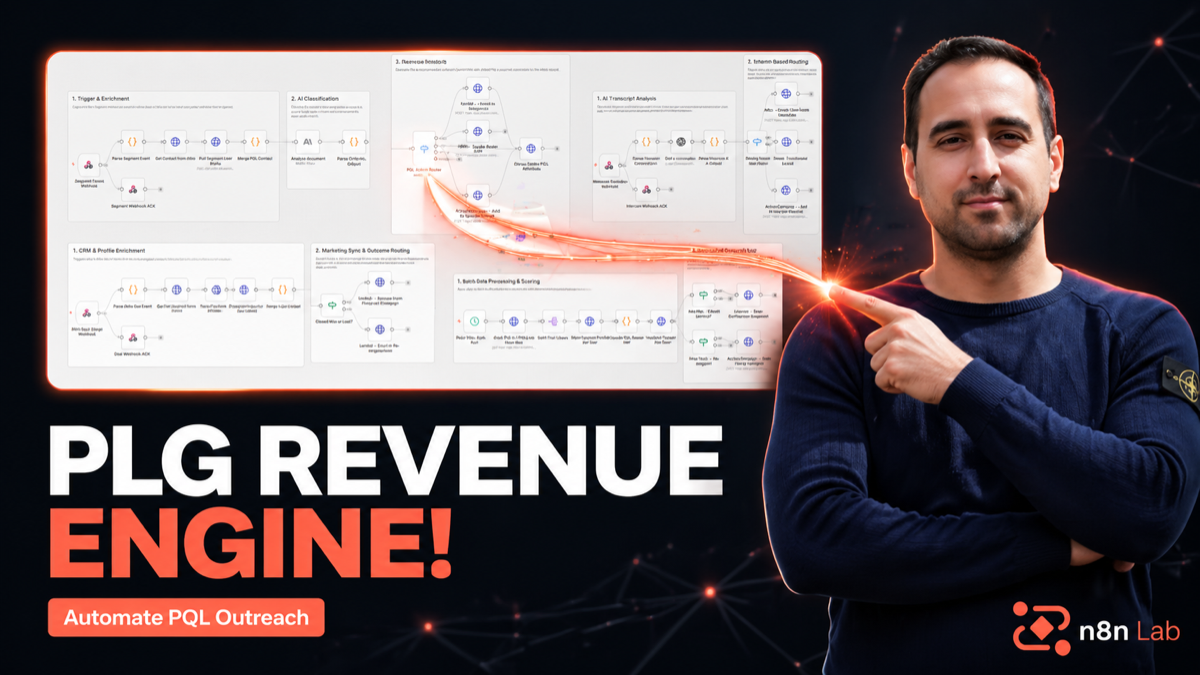
PLG Revenue Engine
Connecting Product Data to Revenue With AI Automation
Focus Physiotherapy
OpenClaw turned intake friction into a guided booking flow
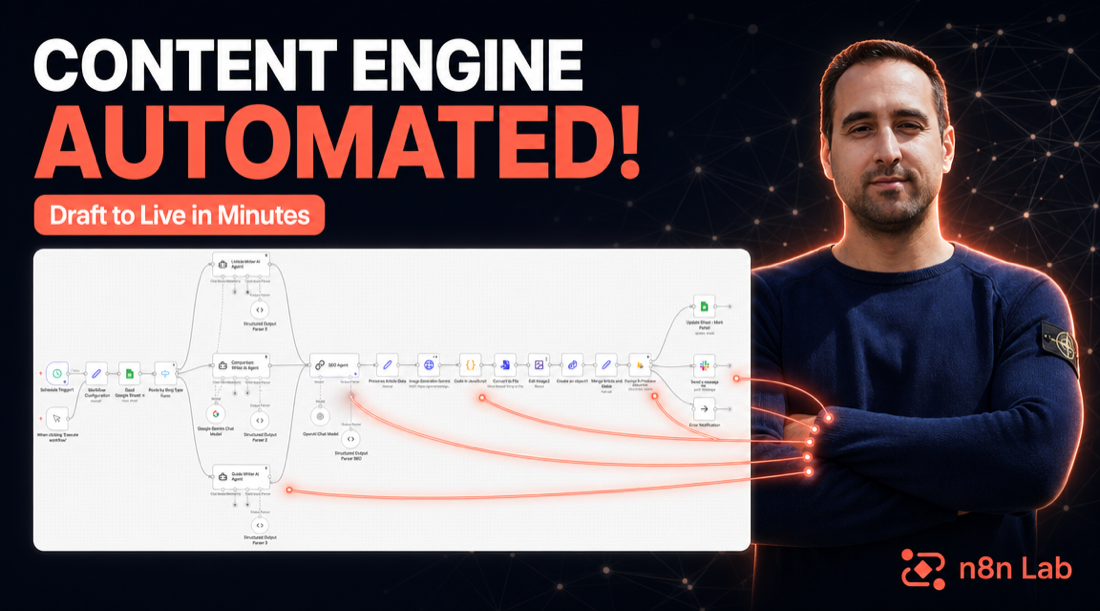
n8n Blog Production
Five-agent content engine for automated blog publishing
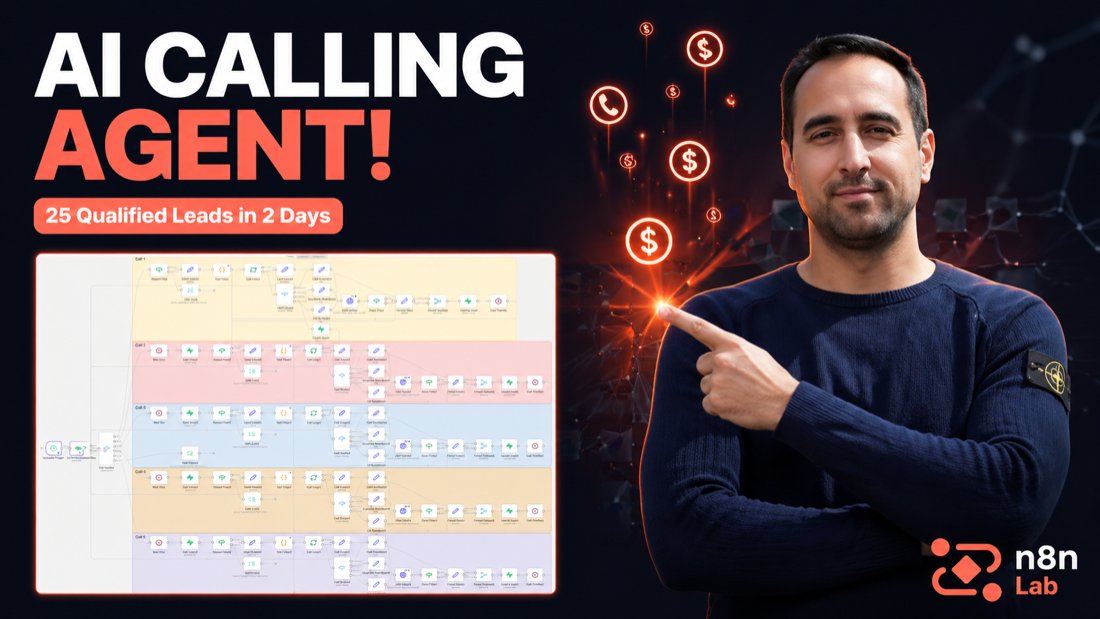
AI Voice Agents for B2B SaaS
Scaling Outbound Sales Process powered by n8n, Twilio, and Vapi
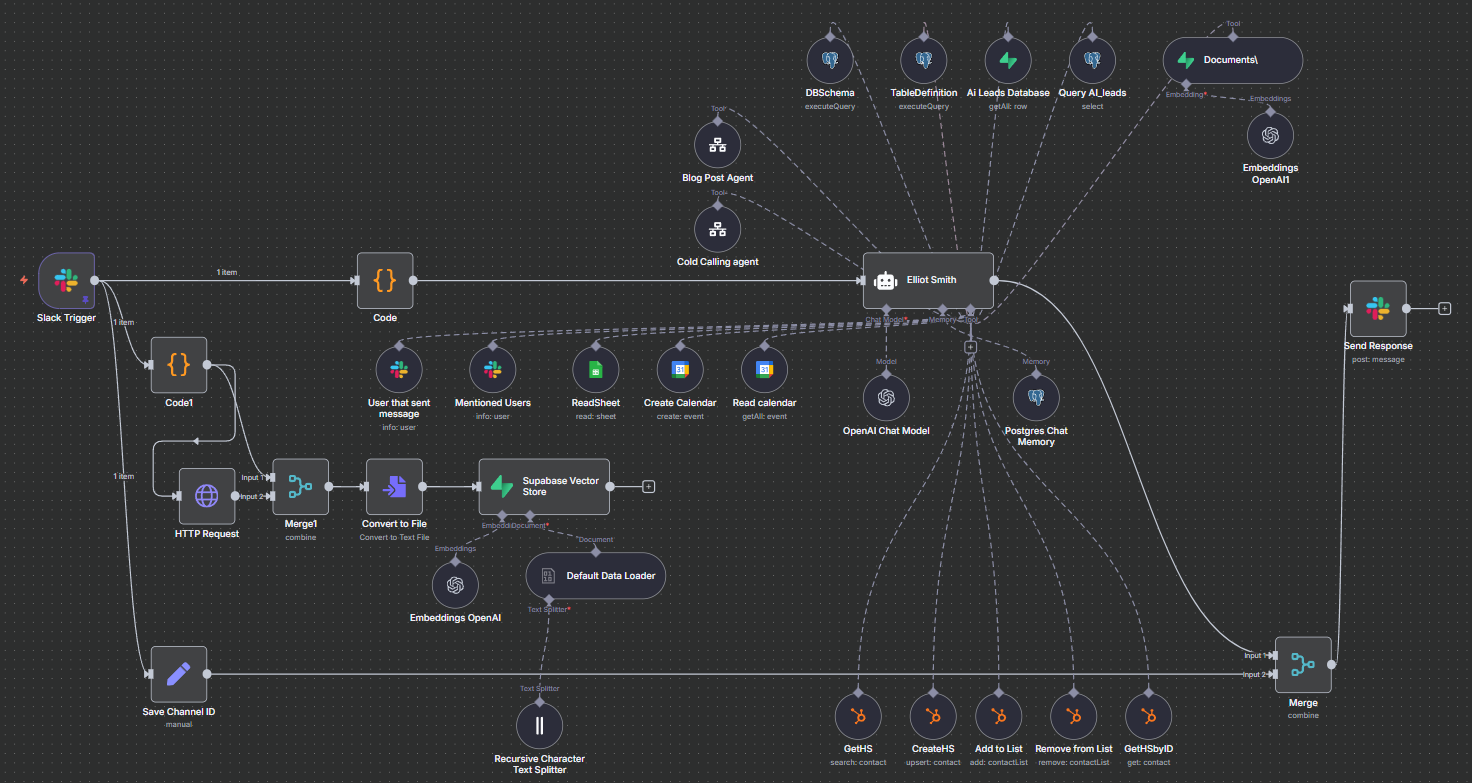
CRM Agent for Digital Agency
Discover How n8n Workflows Empower BDRs to Focus Just on Closing Deals

The Collecting Group
AI Voice Agent & Automation Strategy
Hermes Agent FAQ
If the agent only lives in a terminal, adoption stays low. We extend Hermes Agent into messaging and workflow surfaces your team already uses.
Get a Production-Ready Hermes Agent in Weeks, Not Months
Most teams spend 6+ months taming Hermes Agent into production shape. We deliver a hardened, memory-aware implementation with skills, checkpoints, and channel deployment on a tight timeline. Book a strategy call and get a free Hermes Maturity Assessment ($500 value).
Latest from the Blog

How to Choose the Right Hermes Agent Development Partner
Compare the top Hermes Agent development agencies. Discover the ideal implementation partners for deployment, security hardening, and enterprise automation.
Comparing n8n, OpenClaw, and Hermes for AI Agents
Confused by n8n vs OpenClaw vs Hermes? Discover how these three distinct AI agent platforms compare, their ideal use cases, and how to combine them.
Hermes AI Agent Development with n8n
How to combine Hermes Agent with n8n workflow automation for production-ready autonomous AI systems.