Content Research AI Agents Give Every Brief a Stronger Start
Give your content team the research behind the idea. Our AI agents and automations connect audience questions, search insights and approved sources to prepare useful briefs, find content gaps and guide updates to existing content.















Good content starts before the first draft
Strategists and writers need a clear question, credible sources and a reason to publish. Disconnected research makes all three harder.
Research scattered across tabs
Search results, customer questions and useful studies sit in separate documents with no shared structure.
An idea without a clear audience need
A keyword or competitor headline becomes a topic before the team has established what the reader actually needs to know.
The same ground covered twice
Writers repeat research that another team member already completed, while source links and useful context disappear.
Old content missing new evidence
Existing articles stay in the queue because no process flags outdated references, unanswered questions or a worthwhile update.
Turn scattered research into a useful editorial brief
AI agents organize and interpret the evidence. Automations gather inputs, keep the research record and hand work to the right person.
Use available search data and an agreed competitor set to compare questions, coverage and format. Identify gaps relevant to your offer rather than copying whatever already ranks.
Collect approved articles, studies and internal expertise into a structured pack. Keep each finding connected to its source, date and any limitations the writer needs to understand.
Monitor selected news and industry sources on a defined schedule. Filter changes through your audience and editorial priorities, then route useful findings for review.
Organize questions from authorized customer calls, support material, communities and search tools. Group them by reader need and buying stage without treating a few comments as market-wide evidence.
Turn an approved topic into a proposed angle, reader questions, source list and outline. Deliver the brief to your workspace with an editor assigned to check it.
Combine your existing content inventory with available performance data and source checks. Prepare update recommendations for an editor to review before changing a live page.
Research connected to a wider content operation
Explore published examples of how we connect agents, business tools and review. The blog production story shows the broader system around content delivery.
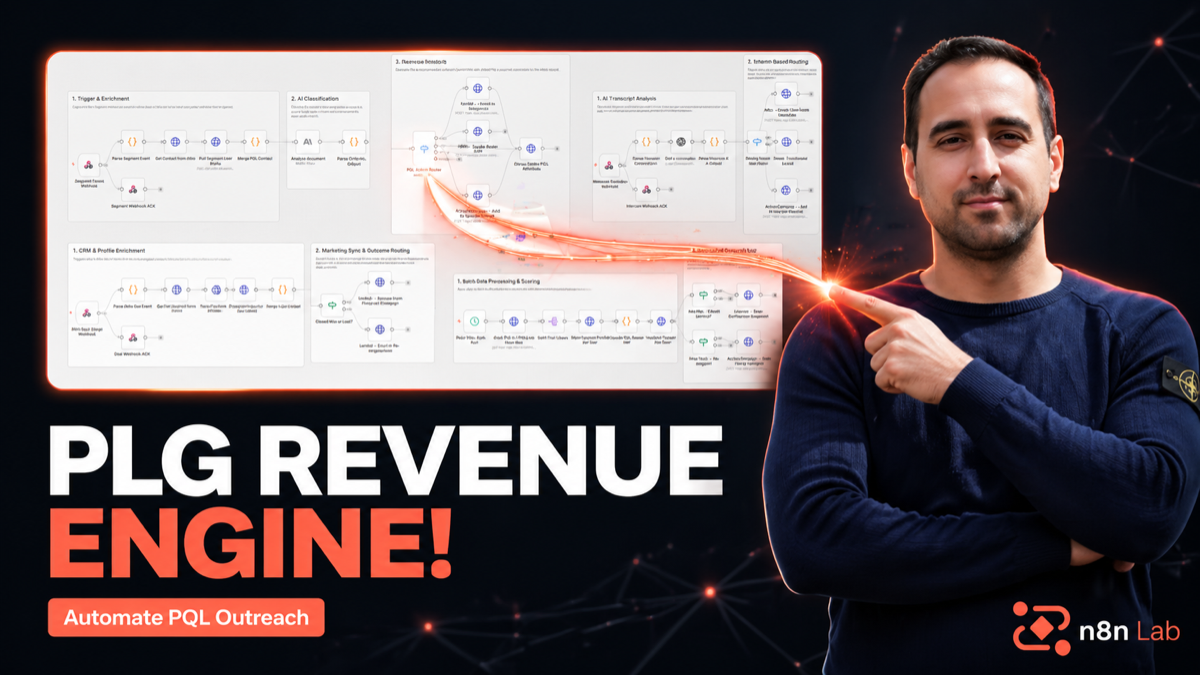
PLG Revenue Engine
Connecting Product Data to Revenue With AI Automation

Focus Physiotherapy
OpenClaw turned intake friction into a guided booking flow
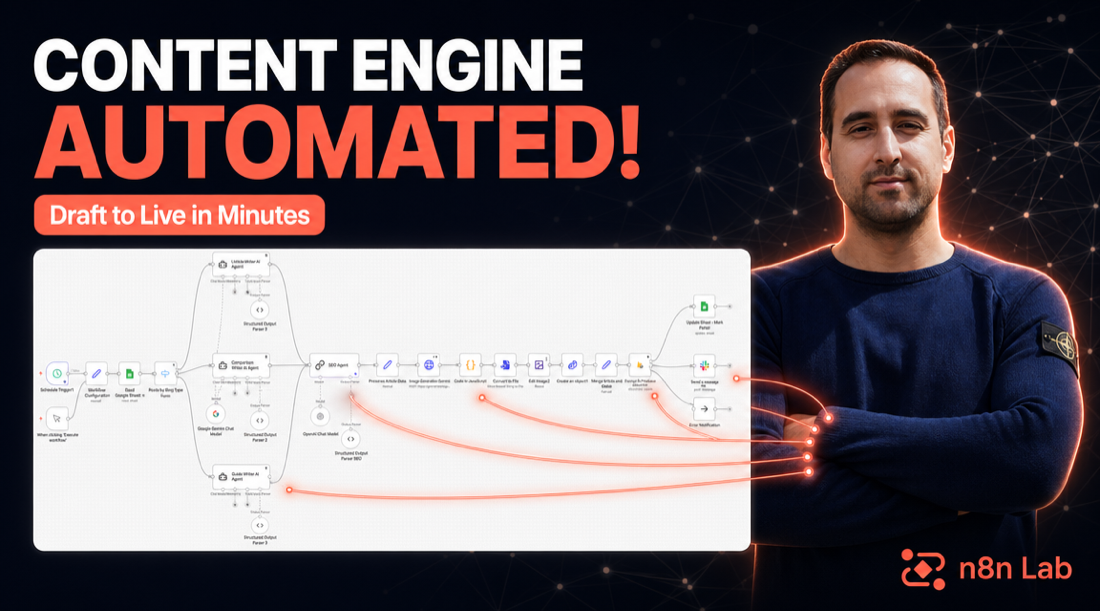
n8n Blog Production
Five-agent content engine for automated blog publishing
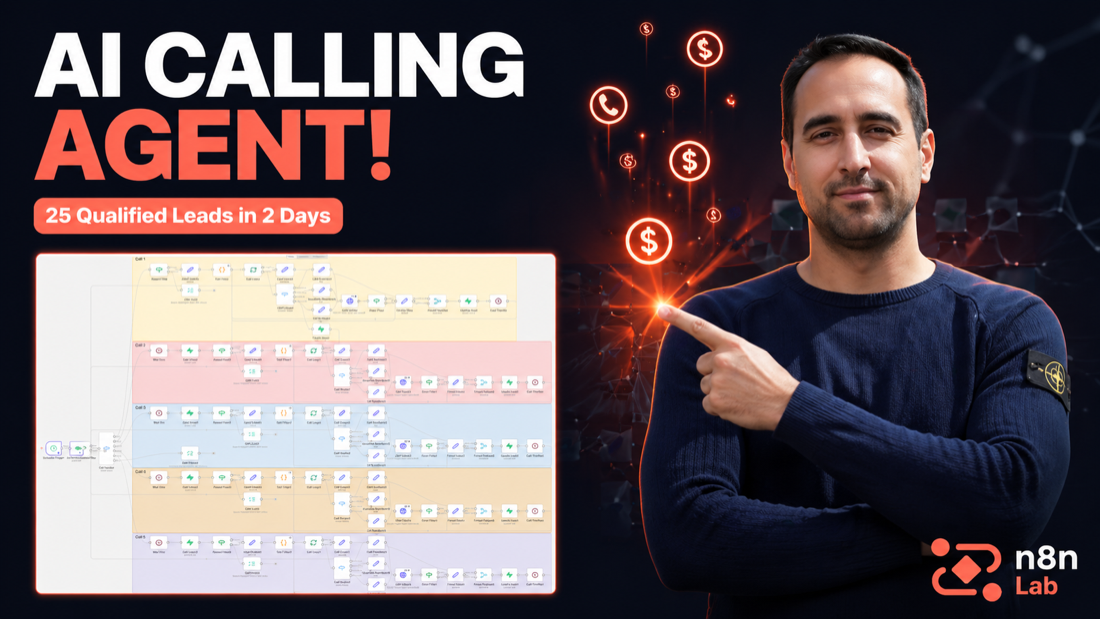
AI Voice Agents for B2B SaaS
Scaling Outbound Sales Process powered by n8n, Twilio, and Vapi
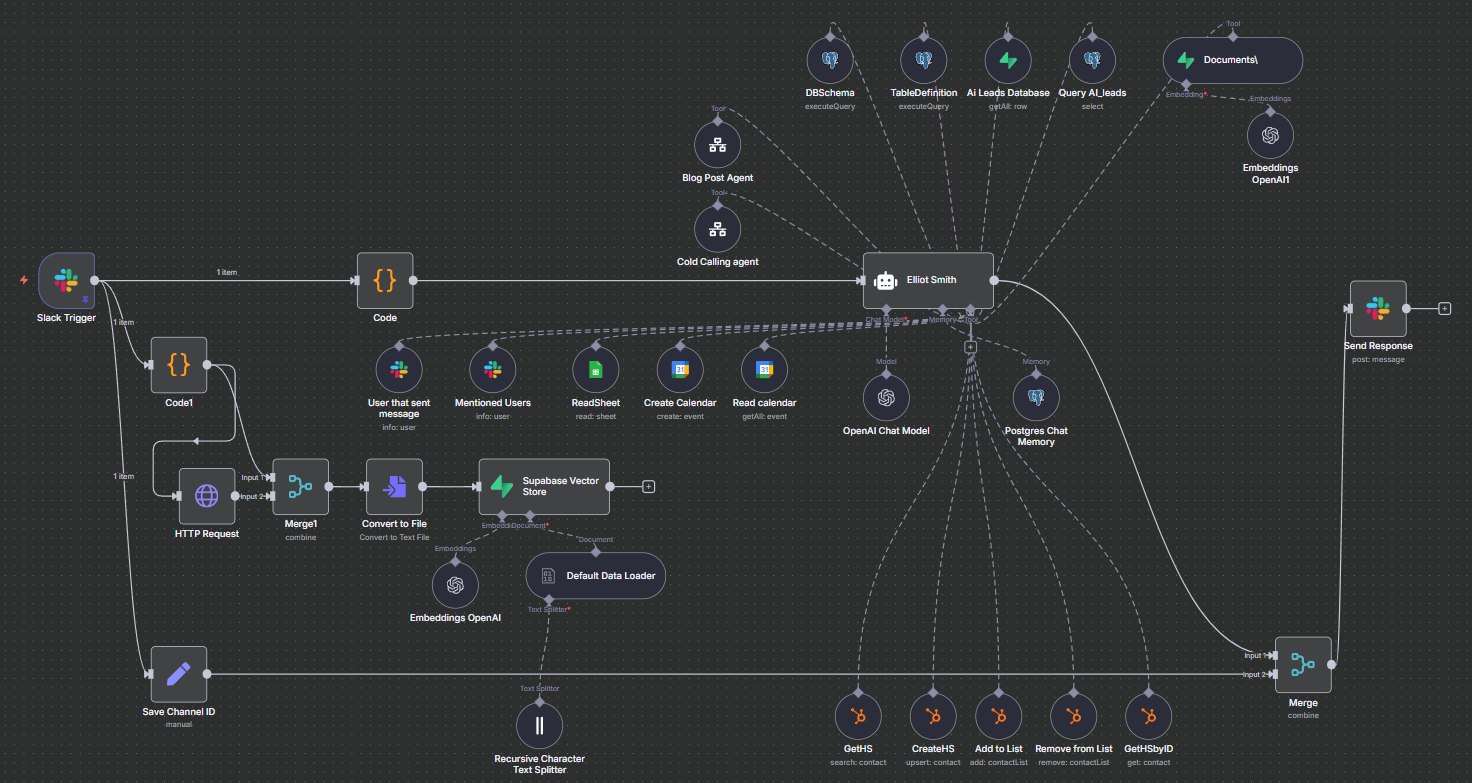
CRM Agent for Digital Agency
Discover How n8n Workflows Empower BDRs to Focus Just on Closing Deals

The Collecting Group
AI Voice Agent & Automation Strategy
Better inputs for the people creating your content
Track time to an approved brief, source coverage, editorial corrections and how often your team uses the research.
Less research repeated
Keep useful sources and previous findings available so the next brief starts with relevant context.
More traceable briefs
Let writers inspect the evidence behind a point and see where a source is old, incomplete or contradictory.
An editorial filter on new topics
Turn a feed of updates into a reviewable shortlist based on audience relevance and your content priorities.
Research connected to publishing
Give each approved brief an owner, a destination and the context needed for drafting and review.
Build the research loop around your editorial process
Your audience, subject expertise and publishing standards shape the system. The technology supports those choices.
Step 1: Define the editorial job
Review a real brief, your audience, subject matter and approval process. Pick one research task where better inputs would improve the work.
Step 2: Connect sources & existing tools
Check search subscriptions, internal knowledge and data access. Use capabilities already included in your stack before adding new collection tools.
Step 3: Build the agents & collection workflows
Connect approved sources, organize the research record and configure agent instructions. Tools such as n8n can coordinate scheduled collection, routing and delivery.
Step 4: Review source quality & relevance
Have editors check a sample of findings and briefs. Test unsupported statements, duplicate sources, off-topic suggestions and missing context.
Step 5: Fit the system into the editorial queue
Deliver research to the agreed workspace with ownership and review rules. Keep drafting, approval and publishing permissions separate.
Step 6: Improve from editorial feedback
Track rejected ideas, corrections, approved briefs and usage cost. Refine the sources and relevance criteria with the people using the output.
Content strategy and AI engineering at the same table
A useful research system needs editorial judgment as well as working integrations.
Connect research to the questions your buyers ask, your subject expertise and the topics worth publishing.
Define a useful brief, an editor responsible for review and a handover that gives writers enough context to work.
Link approved sources, models and your content workspace. Reuse the SEO and knowledge tools your team already pays for.
Content research AI agent FAQs
Practical answers for content leads, strategists, editors and agency teams.
 n8n Lab
Build the research behind your next useful piece
Bring a sample brief, your current sources and the task that takes too much manual work. We will help map a research workflow your editors can use.




Our Team
Ready to help