Onboarding AI Automations A Clear Next Step From Day One
Make the handover as good as the welcome. We connect your CRM, HR and project tools with AI agents and automations that coordinate intake, documents and next steps for new customers and employees.














A welcome email is only the beginning
Onboarding slows down when the information, approvals and people needed for the next step are disconnected.
Context lost at the handover
Sales, customer success or HR pass work forward without all the details the next team needs.
People unsure what happens next
A new customer or employee receives a message, but cannot see which action, document or approval is still needed.
Teams chasing the same details
Forms, agreements and setup requests are followed up through inboxes and spreadsheets with no shared completion status.
One missing approval holds up the start
An unresolved dependency sits unnoticed until the project kickoff or first day is already affected.
Different journeys. One connected way of working
Customer and employee onboarding need different rules. We design each workflow around its owner, required information and definition of ready.
Turn an agreed sale or signed engagement into an onboarding record, intake request and kickoff checklist. Give delivery teams the customer context and agreed next steps.
Connect approved HR records to role-specific checklists, equipment and account requests. Route access approvals to the responsible people before provisioning through supported tools.
Create work in your project tool, assign owners and remind the right people when a step is blocked. Keep dependencies and due dates visible across teams.
Collect required details, check completeness and request missing information. Use agents to summarize the handover while reviewers validate sensitive or ambiguous material.
Answer approved process questions from your internal knowledge or customer resources. Route questions outside its scope to a named person with the conversation context attached.
Keep an onboarding status linked to the underlying tasks and confirmations. Flag stalled steps and failed updates, then notify an owner rather than marking incomplete work as done.
See connected journeys in practice
Explore published examples of intake, customer operations and the handovers behind working AI systems.
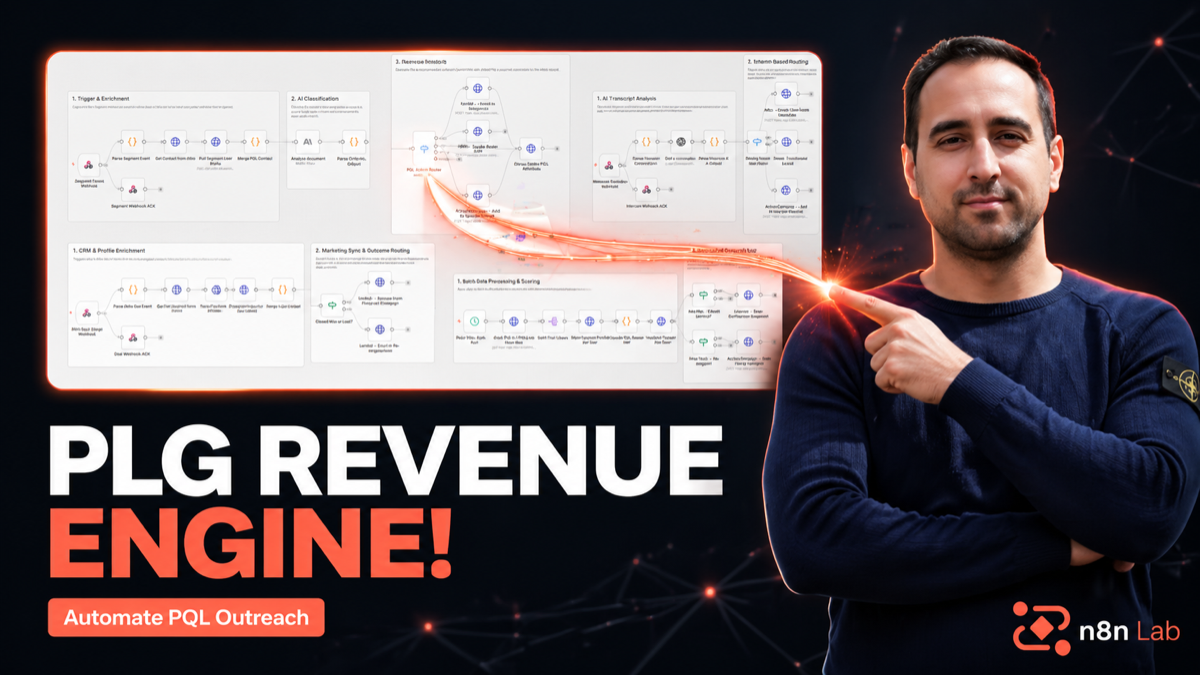
PLG Revenue Engine
Connecting Product Data to Revenue With AI Automation
Focus Physiotherapy
OpenClaw turned intake friction into a guided booking flow
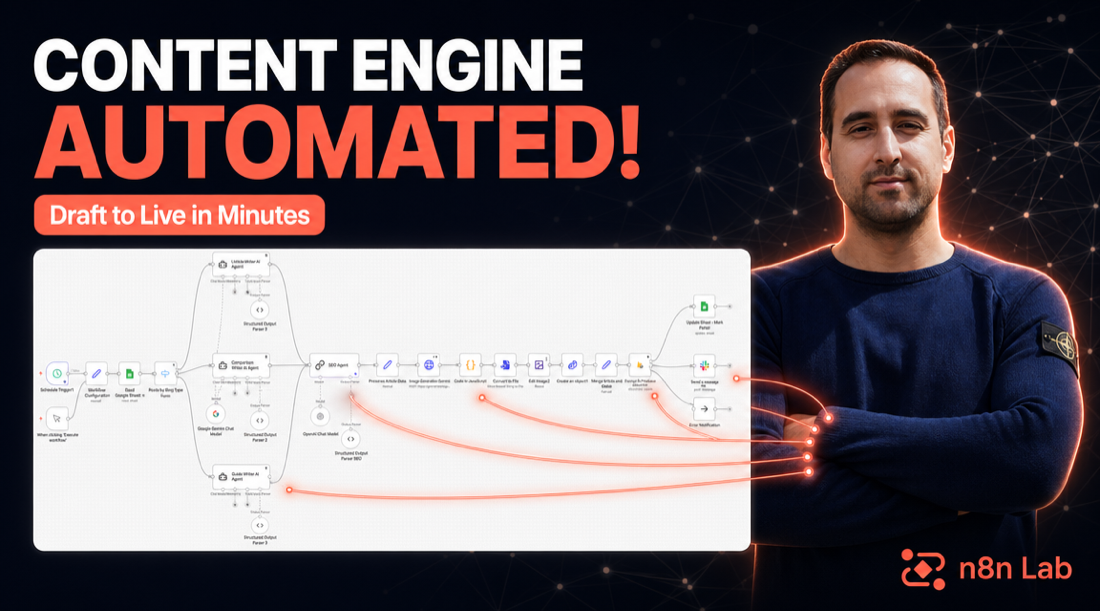
n8n Blog Production
Five-agent content engine for automated blog publishing
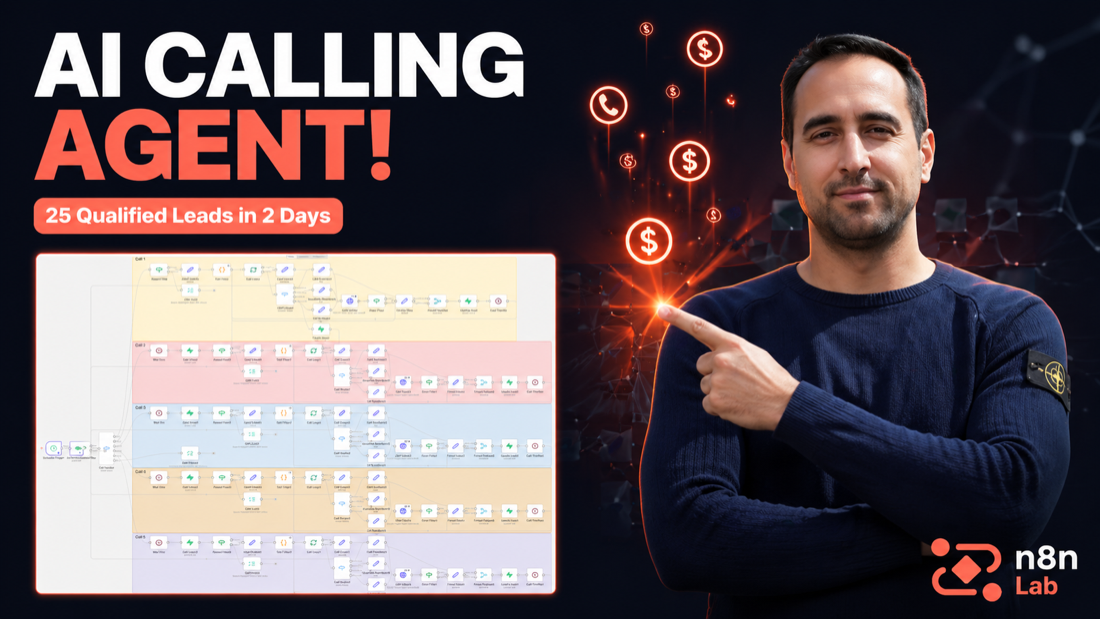
AI Voice Agents for B2B SaaS
Scaling Outbound Sales Process powered by n8n, Twilio, and Vapi
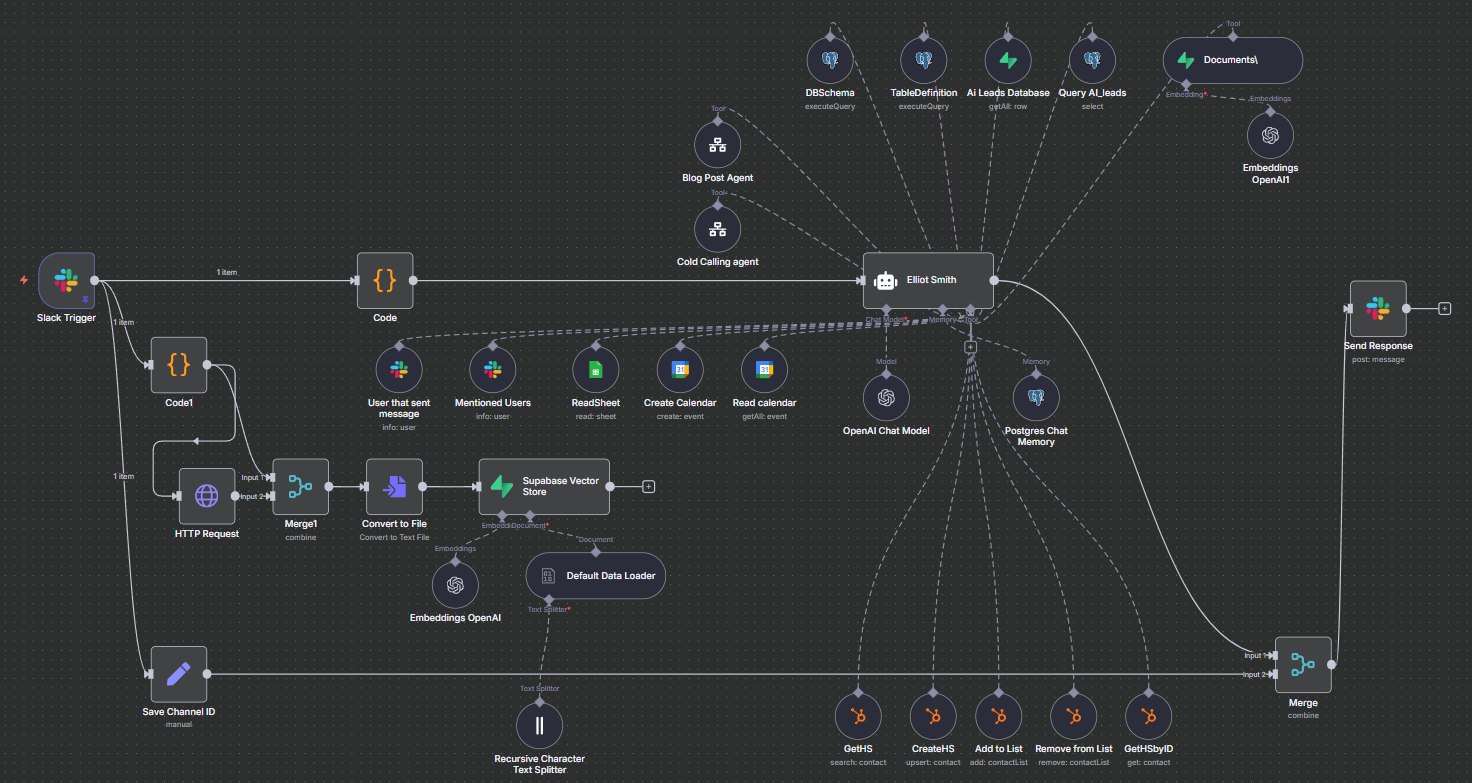
CRM Agent for Digital Agency
Discover How n8n Workflows Empower BDRs to Focus Just on Closing Deals
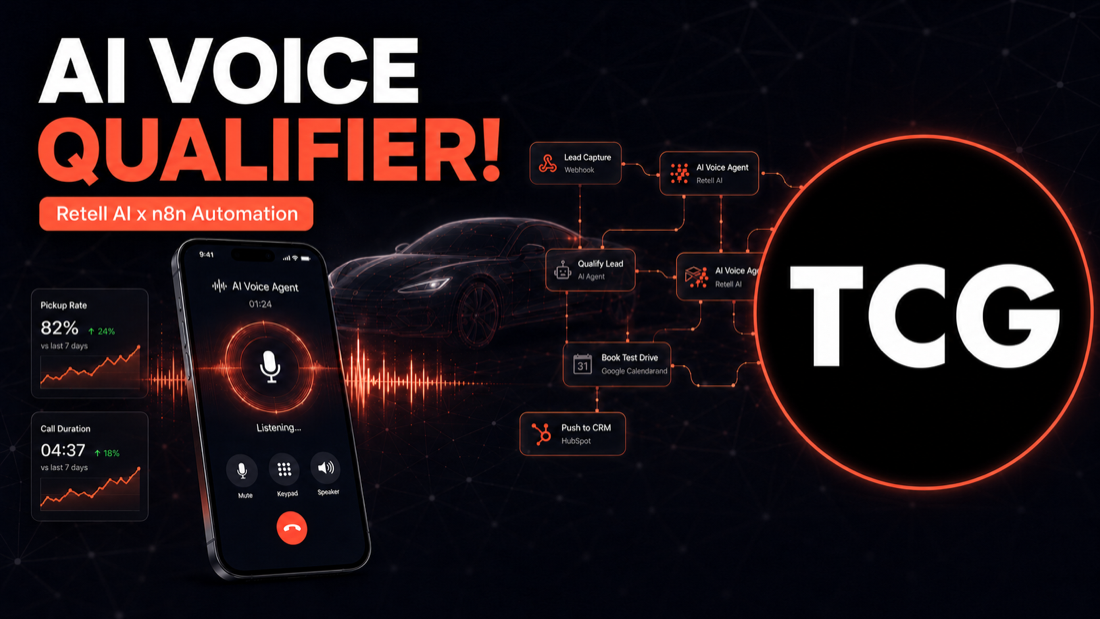
The Collecting Group
AI Voice Agent & Automation Strategy
A better start you can actually track
Agree what completion means, record the current process and measure progress against that baseline.
A clearer start
Track unanswered questions and incomplete steps so new customers and employees know how to move forward.
More consistent handovers
Measure missing information and rework at the point where sales, HR or operations passes responsibility onward.
Less administrative chasing
Compare manual touches and time spent collecting documents, sending reminders and checking task status.
A visible path to readiness
Track time to kickoff, required access or first useful milestone, with blockers visible to the responsible team.
From the first handover to a repeatable onboarding system
Our sales, marketing and operations specialists work with your team to define the journey before the technical build.
Step 1: Map one onboarding journey
Choose customer or employee onboarding, identify the handover owner and define the first useful milestone. Walk through real examples with the people doing the work.
Step 2: Define data, approvals & ownership
Agree the trigger, required fields, task dependencies and access policy. Identify which system owns each record and what must be approved by a person.
Step 3: Connect the tools & configure agents
Build the intake, document and task workflows using supported integrations. Use AI for summaries and approved knowledge assistance, with n8n or other orchestration where appropriate.
Step 4: Test real exceptions
Check missing fields, changed start dates, duplicate requests, rejected approvals and unavailable integrations. Test with synthetic or approved examples before using sensitive records.
Step 5: Launch with a team that can run it
Roll out one journey, train the owners and document escalation and a manual fallback. Confirm that completion reflects the authoritative systems.
Step 6: Review and expand deliberately
Measure stalled steps, manual effort and time to readiness. Improve the journey with team feedback before adding more segments, roles or locations.
Onboarding AI automation FAQs
How the workflows connect, what agents handle and where your team makes the decisions.
We build the handovers as well as the workflows
Sales, marketing and operations expertise helps the system fit the people who run onboarding.
Carry the agreed customer context, commitments and readiness criteria into delivery instead of making the next team ask again.
Define role-specific tasks, access approvals and first-day responsibilities with HR and the people receiving the new hire.
Connect the authoritative CRM, HR and project records. Use existing onboarding features and remove unnecessary duplication where it makes sense.
 n8n Lab
Make the next handover a better one
Tell us whether you are onboarding customers or employees, which tools are involved and where the process gets stuck. We will help scope one useful starting point.




Our Team
Ready to help